
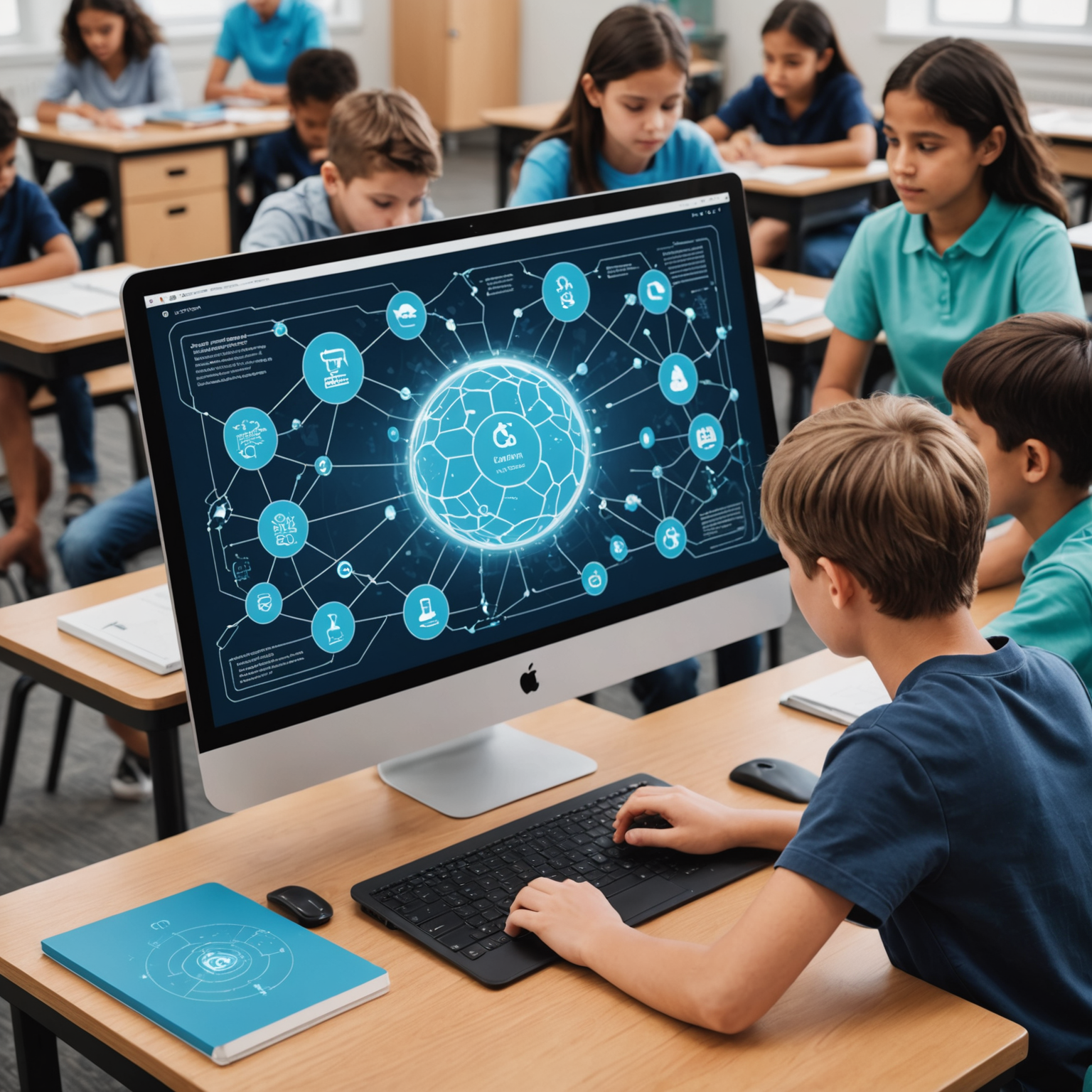
The landscape of education is undergoing a seismic shift as Artificial Intelligence moves from a futuristic concept to a daily classroom tool. With the rise of Generative AI, machine learning, and adaptive learning platforms, the traditional one-size-fits-all model of schooling is being challenged.
One of the most significant trends is the adoption of personalized learning pathways. AI-driven algorithms can now analyze a student’s performance in real-time, identifying gaps in understanding and tailoring lesson plans to suit their individual pace and learning style. This ensures that no student is left behind while allowing others to excel faster.
Furthermore, the automation of administrative tasks is freeing up educators to focus on what they do best: mentoring and fostering critical thinking. AI tools can handle grading, attendance, and basic inquiry responses, allowing teachers to dedicate more time to meaningful student interaction and emotional support.
However, this transformation is not without its hurdles. The integration of AI has sparked crucial debates regarding academic integrity, data privacy, and the ‘digital divide.’ As we embrace these technologies, the focus must remain on AI literacy—teaching students not just how to use these tools, but how to think critically about the information they provide.
Ultimately, the impact of AI on education is poised to be deeply human-centric. By offloading mechanical tasks to machines, we are creating space for a more creative, collaborative, and personalized educational journey that prepares students for an increasingly complex world.